First-person video
from cleaning work.
Continental sells first-person, or egocentric, video data captured by cleaners wearing cameras during commercial cleaning work. Talk with us about recordings relevant to the tasks your team wants to study.
A view from
the cleaner.
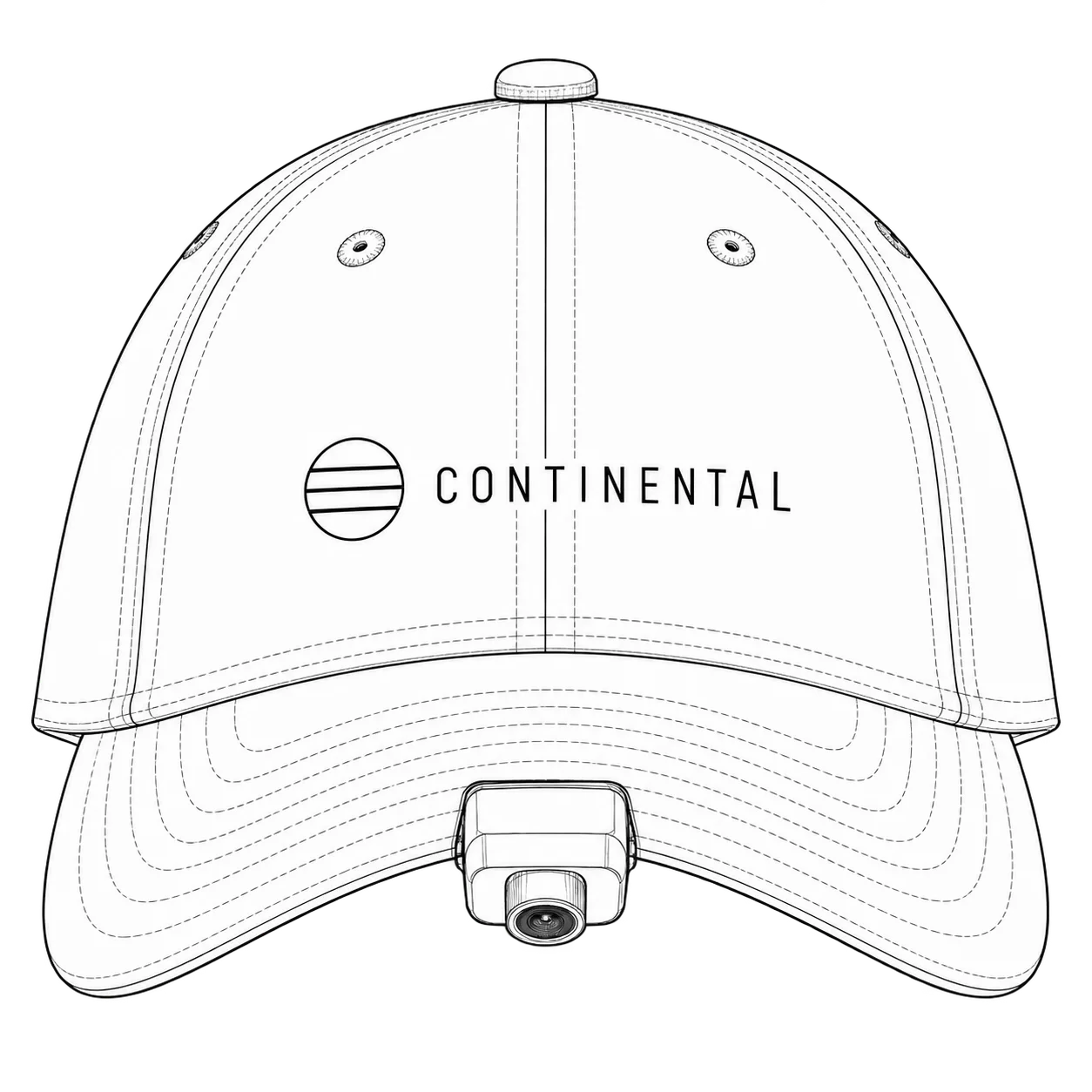
Wearable cameras capture cleaning from the worker’s perspective. The cap concept places the camera beneath the brim.
For data buyers, the conversation starts with the work you need to study and the intended use of the footage. Ask about available recordings and the terms for a specific dataset.
Start with
the cleaning task.
A useful data brief identifies the activity and the view your team needs. Describe the cleaning tool, the surface and the portion of the task you want to observe. Include whether you need a complete sequence or shorter clips.
Potential task categories to discuss include wiping accessible surfaces, handling cleaning tools, emptying bins and floor-care work. These are scoping examples; ask which recordings are available for your project.
Confirm the recording
specifications.
- Video
- Request resolution, frame rate, codec and camera placement for the available recordings.
- Coverage
- Specify cleaning tasks, environment types, clip length and the footage volume you need.
- Labels and metadata
- Describe required task labels, timestamps or other annotations. Confirm what is included and what would require additional work.
- Delivery
- Agree on file organization, transfer method and the target delivery date for your project.
Available specifications depend on the dataset. Video footage alone does not establish the presence of depth, pose, robot actions or synchronized sensor data; ask about each required modality.
Ask for a sample
before defining the order.
Use the data inquiry form to request a representative sample and describe its intended use. Tell us what your evaluation will check, such as hand visibility, camera motion or uninterrupted task sequences.
Sample availability and sharing terms need confirmation. For AI research or model-development projects, include the intended training or evaluation use so the discussion covers the relevant footage and permissions.
Define what
the agreement permits.
Before purchasing a dataset, confirm permitted uses and who will receive the files. Specify whether your project involves model training, evaluation, internal analysis or distribution to another team.
Ask for the collection and permission information applicable to the proposed recordings, including any restrictions on sensitive spaces or identifiable people. Retention, redaction and redistribution requirements belong in the project agreement.
Discuss recording
in your building.
A building’s recording requirements belong in the conversation before a camera program begins. Ask Continental to explain the arrangements for your site and document them with your facility team.
- Recording areas and excluded spaces
- Worker and facility permissions
- Who can access footage and how it may be used or sold
- Retention periods and any redaction requirements
This page describes the offering. It does not grant permission to record at a building or define the terms for a particular dataset.
Talk about your building